
The vestibular apparatus in our inner ear is responsible for maintaining balance. An imbalance between the right and left vestibular organs can cause dizziness. Vestibular rehabilitation exercises help the brain to learn to regain balance control and minimise dizziness. With these exercises the brain copes with the disorientating signals coming from the inner ears and begins to rely more on alternate signals coming from eyes, ankles, legs and neck to help maintain balance.
Vestibular rehabilitation therapy aims to
1. Relax the neck and shoulder muscles
2. Train the eyes to move independently of the head
3. Help practising head movements that cause dizziness
4. Help practising good balance in everyday situations
5. Rebuild confidence in making easy, relaxed, spontaneous movements.
Vestibular rehabilitation is advised in the following conditions:
1. Benign paroxysmal positional vertigo (BPPV)
2. Meniere’s disease
3. Labyrinthitis
4. Vestibular neuritis
5. Vertigenous migraine
6. Stroke
7. Traumatic brain injury
Seek the advice of an ENT specialist first and then attempt these exercises. Some of these exercises may not be suitable for everyone.
Make sure that you are in a safe environment before you start any of the exercises to reduce the risk of injury. Do not continue the exercise if you feel that you are at risk of falling without safety measures in place to stop this.
It is also important to note that you may experience mild dizziness whilst doing these exercises. This is completely normal.
You can follow this youtube tutorial
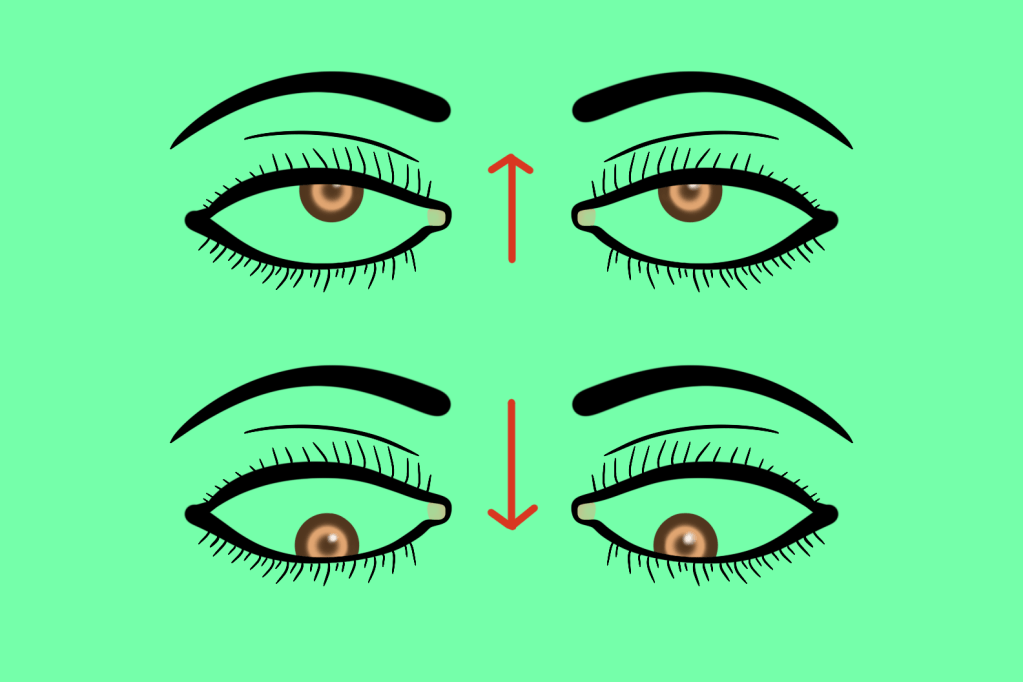
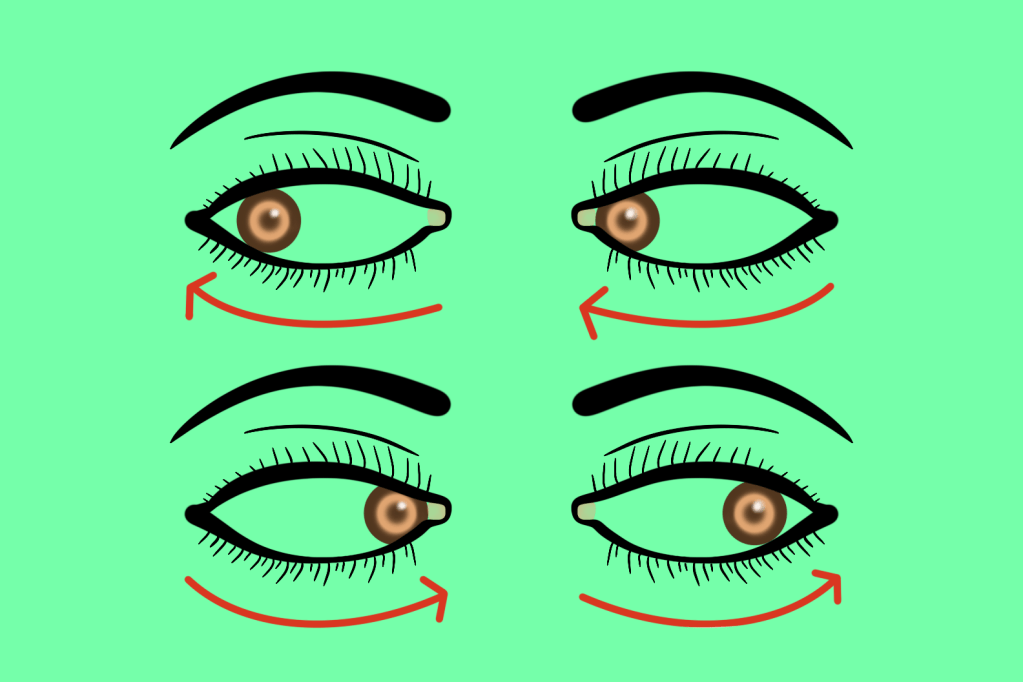
1. Eye movements:
1.a. Up and down
1.b. From side to side
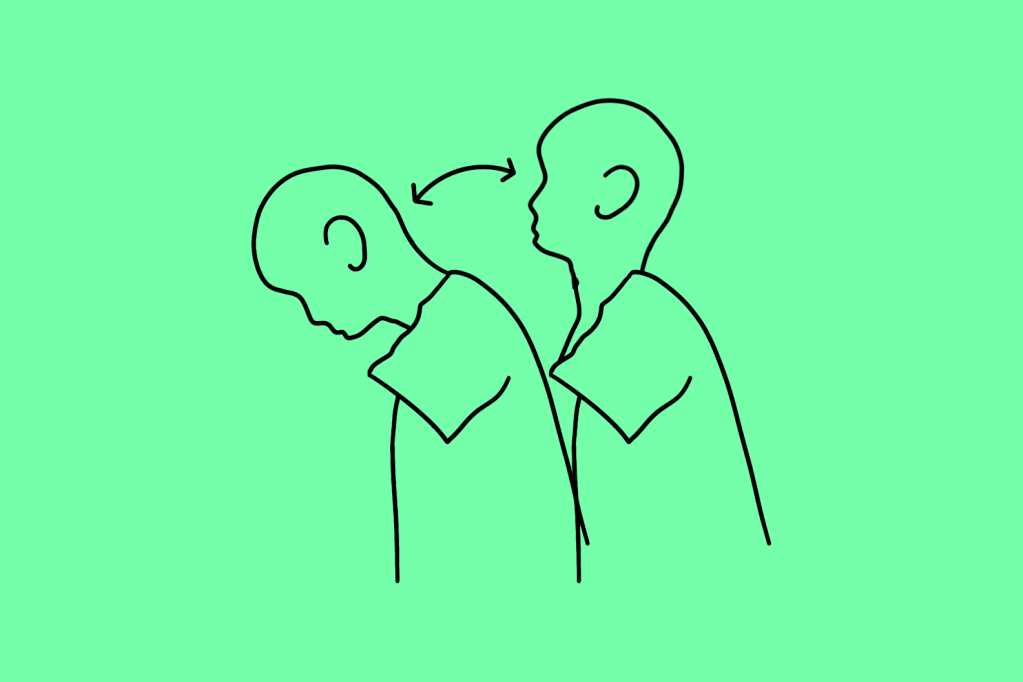
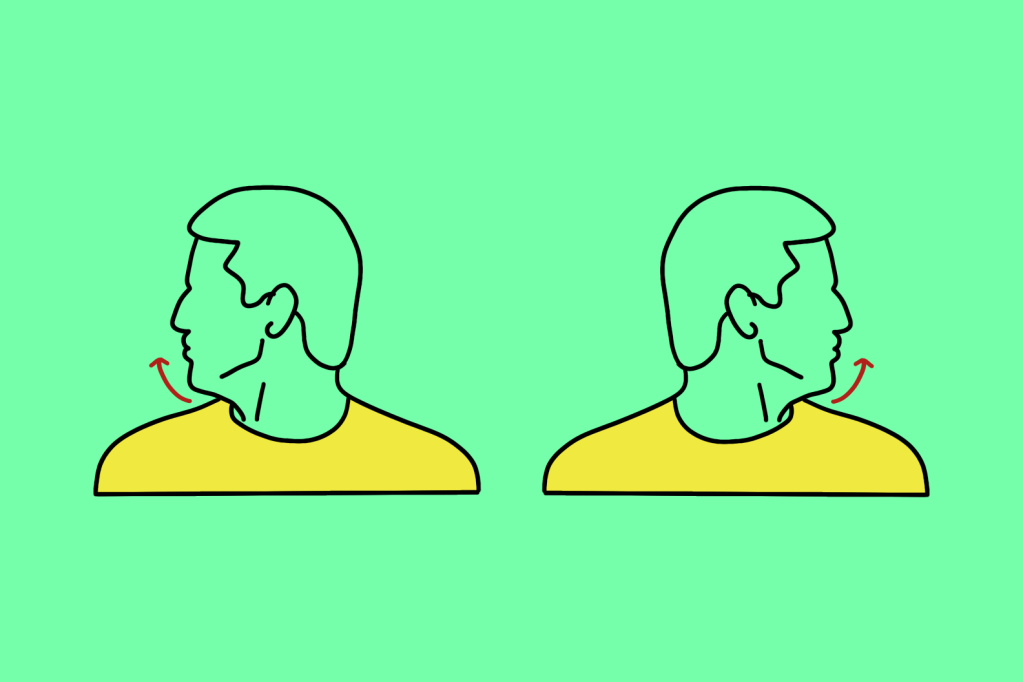
2. Head movements:
2.a. Bending forwards and backwards
2.b. Turning from side to side
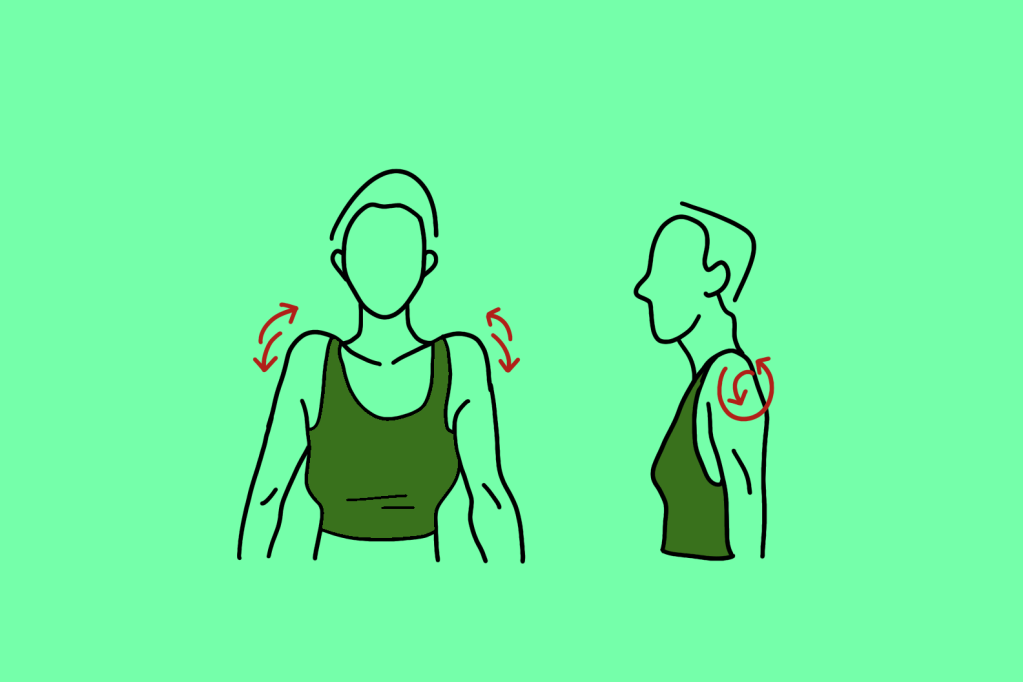
3. Shoulder movements:
3.a. Shrug shoulders
3.b. Circle shoulders
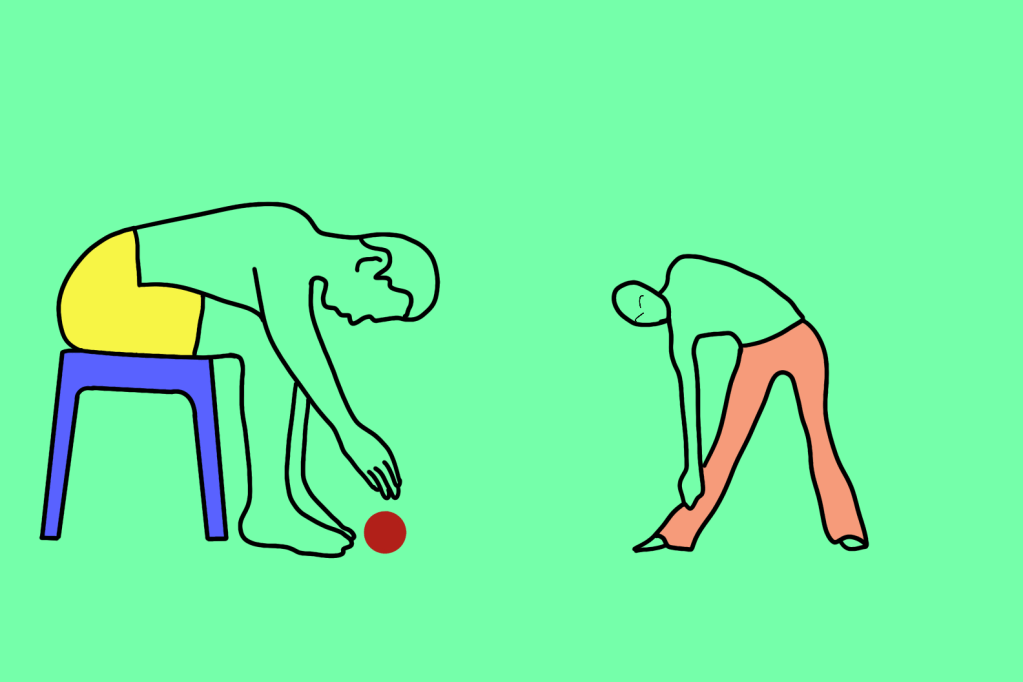
4. Spine movements:
4.a. Bend forward and pick up objects from the ground
4.b. Bend side to side and pick up objects from the ground
5. Gaze stabilisation:
5.a. Fixation: Focus on a stationary object while moving your head from side to side or up and down.
5.b. Tracking: Follow a moving object with your eyes without moving your head.
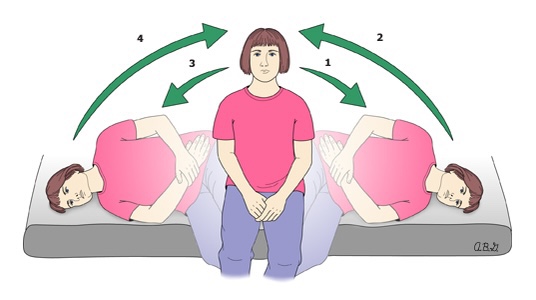
6. Brandt-Daroff Exercises
1. Sit on the edge of the bed. Turn your head 45 degrees
to the left. Lie down quickly on the right side. Ensure the back of your head rests on the bed. Wait 20-30 seconds or until the dizziness stops.
2. Sit upright. Wait 20-30 seconds for any dizziness to settle.
3. Repeat on the other side. Turn your head 45 degrees to the right before lying down quickly on the left side.
4. Sit upright. Wait 20-30 seconds for any dizziness to settle.
5. Repeat this cycle five times on each side (takes about 10 minutes). This forms a set. Perform 5 sets in the morning and 5 more in the evening for 2 weeks. Consult your ENT specialist if symptoms persist.
Vestibular rehabilitation exercises offer hope to those experiencing the challenges of dizziness and imbalance. These exercises, when performed under professional guidance, can help retrain the vestibular organs, improve balance, and enhance overall quality of life. Remember, regaining your balance is a step-by-step process, and with dedication and expert guidance, you can find your footing once again.