
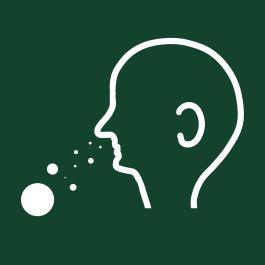
Allergic rhinitis is a type of allergy that affects the nose and paranasal sinuses. It is characterized by symptoms such as sneezing, congestion, runny nose, itchy nose and eyes, and post-nasal drip. These symptoms are caused by an allergic reaction to allergens such as pollen, dust mites, mold, and pet dander that trigger an immune response in the body which causes inflammation and swelling of the mucous membrane in the nose.. Allergic rhinitis can be seasonal or perennial, depending on the allergens that trigger the reaction. Treatment options include avoidance of allergens, medications such as antihistamines and nasal sprays. The latest development in allergic rhinitis is the availability of immunotherapy.
 Dr. Preethi Umamaheswaran MS DNB (ENT)
4 responses to “Allergic Rhinitis”
[…] taste, breathe, and communicate. Common ENT problems include hearing loss, sinusitis, tonsillitis, allergies, and voice disorders. These problems can arise from various factors such as infections, allergies, […]
LikeLike
[…] Allergies: Identify and avoid your triggers, such as pollen, dust mites, or pet dander. Over-the-counter antihistamines and nasal corticosteroids can help control allergy symptoms. Consider allergy shots for long-term relief. […]
LikeLike
[…] Allergies: Avoid your triggers, take allergy medication, and consider immunotherapy. […]
LikeLike
[…] the allergy often resolves the ear […]
LikeLike