
That dizzy, wobbly, or spinning sensation – giddiness – can be unsettling and disruptive. While many things can cause it, from dehydration to medication side effects, your inner ear plays a surprisingly significant role in your balance. So, how do you know if those dizzy spells are originating from an ear problem and warrant a visit to an ENT (Ear, Nose, and Throat) specialist? Let’s explore some key indicators.
Understanding the Inner Ear’s Role in Balance
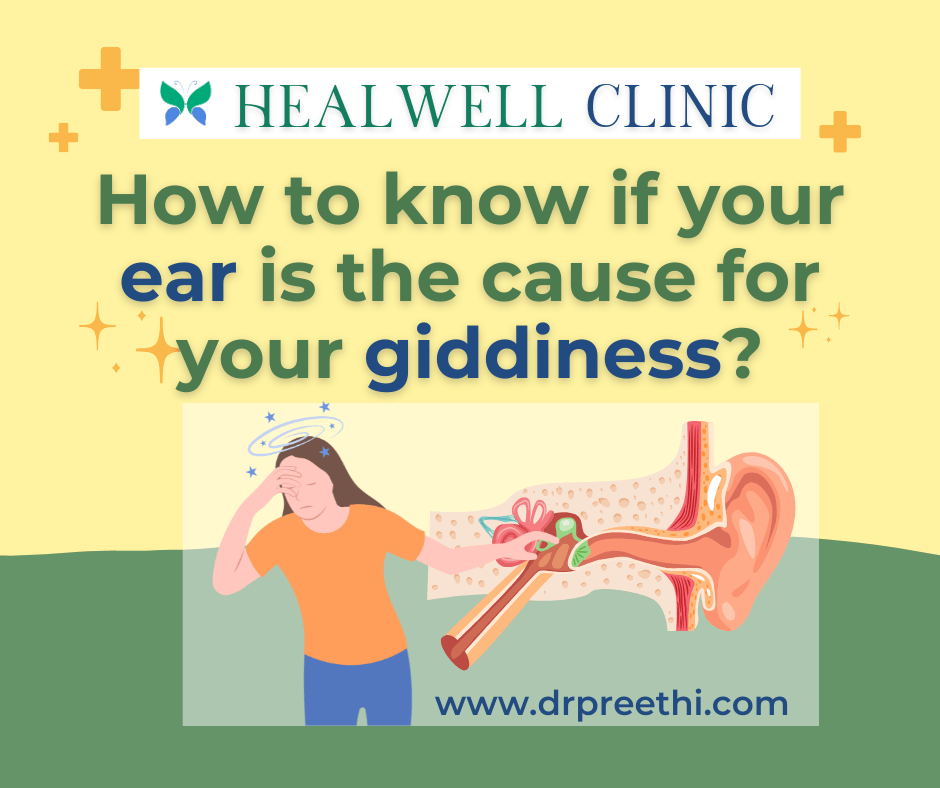
Before diving into the signs, it’s helpful to understand the anatomy involved. Your inner ear houses the vestibular system, a complex network of fluid-filled canals and sensory organs. This system works tirelessly to detect head movements and changes in gravity, sending crucial information to your brain to maintain balance and spatial orientation. When something goes wrong within this delicate system, it can lead to a variety of dizzy sensations.
Key Clues Your Giddiness Might Be Ear-Related:
While only a medical professional can provide a definitive diagnosis, here are some telltale signs that suggest your giddiness could be stemming from an ear issue:
- The Type of Dizziness:
- Vertigo: This is the classic “spinning” sensation, either you feel like you’re rotating or the world around you is. Vertigo is a strong indicator of an inner ear problem.
- Lightheadedness or Unsteadiness: While these can have other causes, if they frequently accompany other ear-related symptoms, they could still be linked.
- Accompanying Ear Symptoms: This is a major red flag! Pay close attention if your giddiness is accompanied by any of the following:
- Tinnitus: Ringing, buzzing, hissing, or other sounds in your ears.
- Hearing Loss: Difficulty hearing, muffled sounds, or a feeling of fullness in one or both ears.
- Ear Pain or Pressure: A dull ache, sharp pain, or a feeling of blockage in your ear.
- Ear Discharge: Any fluid draining from your ear.
- Triggers and Patterns:
- Position Changes: Does your dizziness worsen when you roll over in bed, tilt your head up or down, or stand up quickly? This can point towards conditions like Benign Paroxysmal Positional Vertigo (BPPV), a common inner ear disorder.
- Sudden Onset: Did the dizziness come on suddenly and intensely? This could indicate conditions like vestibular neuritis or labyrinthitis.
- Episodic Nature: Does your giddiness come in distinct episodes, lasting from seconds to hours, with periods of feeling normal in between? This could be a sign of Meniere’s disease or other intermittent vestibular issues.
- Associated Symptoms Beyond the Ear: While less direct, some other symptoms can sometimes accompany ear-related giddiness:
- Nausea and Vomiting: The intense spinning sensation of vertigo can often trigger these.
- Nystagmus: Involuntary, rapid eye movements that can sometimes be observed during a dizzy spell.
- Difficulty with Balance and Coordination: Feeling unsteady on your feet, stumbling, or having trouble walking straight.
When Should You See an ENT?
It’s always best to consult a doctor if you’re experiencing persistent or bothersome giddiness. However, you should schedule an appointment with an ENT specialist specifically if your dizziness is accompanied by any of the ear-related symptoms mentioned above, or if it significantly impacts your daily life.
What to Expect at Your ENT Appointment:
Your ENT will likely take a detailed medical history, asking about your symptoms, triggers, and any other relevant medical conditions. They will also perform a physical examination, including a thorough examination of your ears, nose, and throat. They may also conduct specific balance tests, such as:
- Dix-Hallpike Maneuver: To assess for BPPV.
- Electronystagmography (ENG) or Videonystagmography (VNG): To evaluate eye movements in response to various stimuli, helping to assess the function of the vestibular system.
- Audiogram: A hearing test to identify any hearing loss.
Don’t Ignore the Signs!
Giddiness caused by ear problems can often be effectively diagnosed and treated. Ignoring these symptoms can lead to prolonged discomfort and impact your quality of life. If you suspect your ears might be the source of your balance issues, don’t hesitate to reach out to an ENT specialist. Getting a proper diagnosis is the first step towards finding relief and getting back on your feet – literally!
 Dr. Preethi Umamaheswaran MS DNB (ENT)