
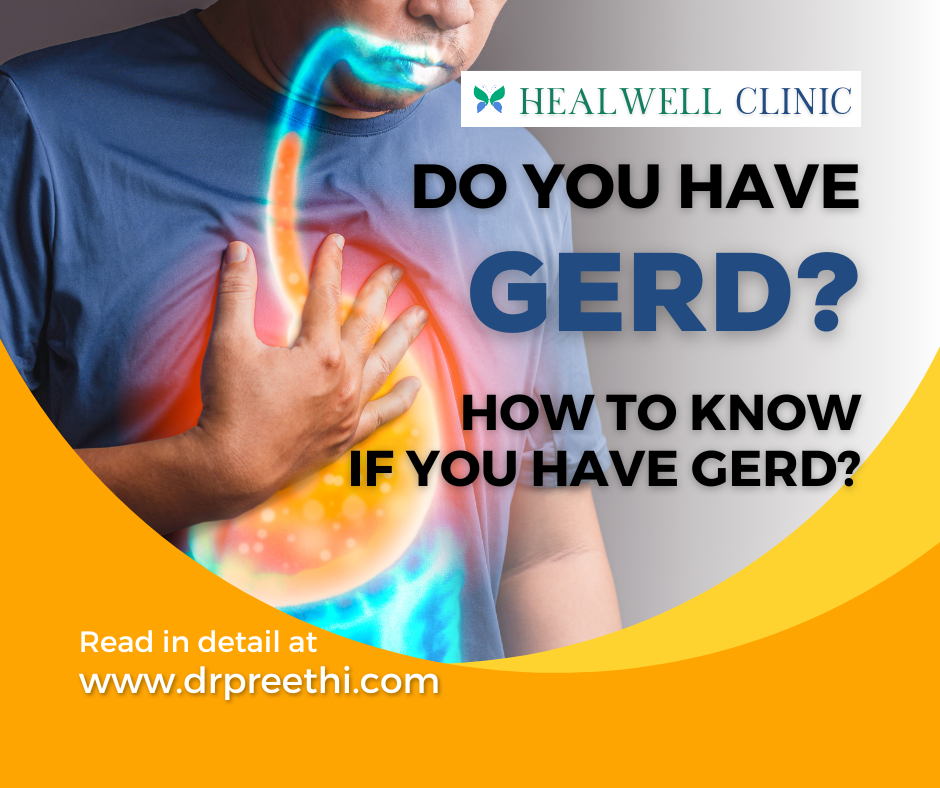
Gastroesophageal reflux disease (GERD) is a digestive disorder that occurs when stomach acid frequently flows back into the esophagus. This backwash of acid can irritate the lining of your esophagus and cause heartburn, regurgitation, and other symptoms.
GERD can be caused by a variety of factors, including obesity, smoking, pregnancy, and certain medications.
If you think you may have GERD, it is important to see an ENT doctor. They will be able to diagnose your condition and recommend the best course of treatment for you.
Here are some signs that you may have GERD:
- Heartburn: This is a burning sensation in the chest that usually occurs after eating or lying down.
- Regurgitation: This is the backflow of stomach acid into the throat or mouth.
- Chest pain: This can be a sharp or dull pain in the chest that may feel like a heart attack.
- Difficulty in swallowing: This may feel like food is getting stuck in your throat.
- Chronic cough: This is a cough that lasts for more than three weeks.
- Hoarseness: This is a change in your voice that makes it sound raspy or strained.
- Sore throat: This is a scratchy or irritated feeling in your throat.
- Feeling like you have a lump in your throat: This is a sensation that something is stuck in your throat.
- Excessive clearing of your throat: This is a frequent need to clear your throat, even when you don’t have a cold or allergies.
- Nausea: This is a feeling of sickness or queasiness.
- Vomiting: This is throwing up stomach contents.
If you are experiencing any of these symptoms, it is important to see an ENT doctor. They will be able to diagnose your condition and recommend the best course of treatment for you.
If you are diagnosed with GERD, your doctor may recommend lifestyle changes, medications, or surgery.
Click here to read in detail about necessary precautions that you can take to prevent GERD.
Medications may include:
- Antacids: These medications neutralize stomach acid.
- H2 blockers: These medications reduce the amount of acid your stomach produces.
- Proton pump inhibitors (PPIs): These medications block the production of stomach acid.
Surgery may be recommended if lifestyle changes and medications do not relieve your GERD symptoms.
Contact us to clear your doubts.
 Dr. Preethi Umamaheswaran MS DNB (ENT)