
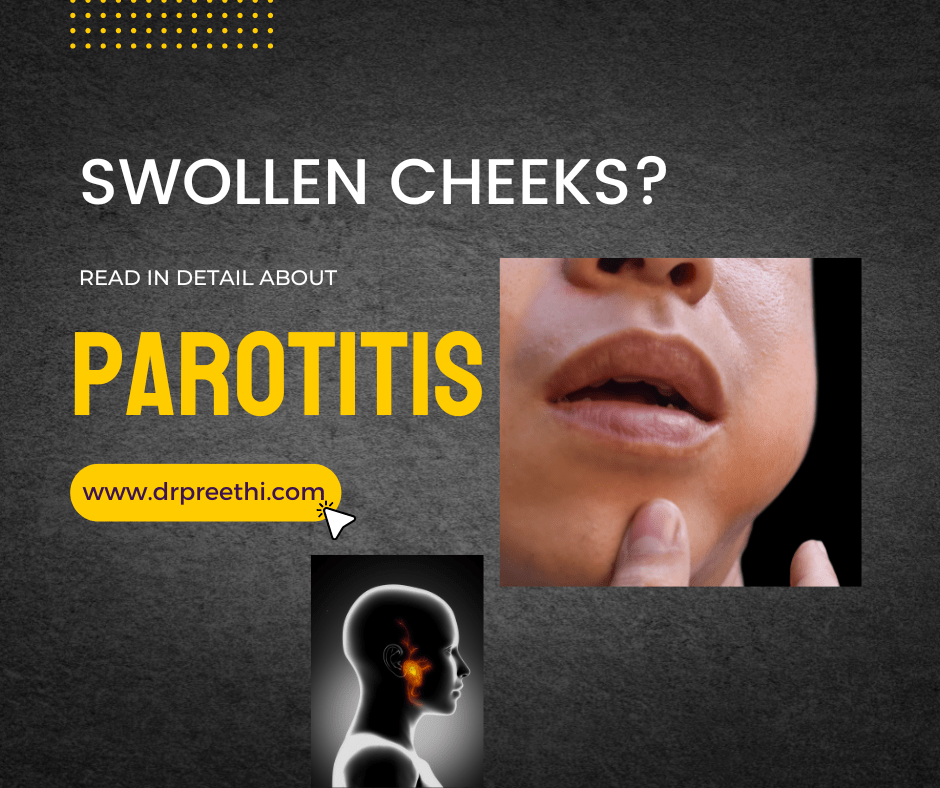
Have you woken up with a puffy cheek or a sudden tenderness on the side of your face? This could be a sign of parotitis, or inflammation of the parotid glands.
What are the Parotid Glands?
Your parotid glands are your largest salivary glands, located on either side of your face, just below and in front of your ears. They produce saliva, to aid in digestion and to keep your mouth moist.
What Causes Parotitis?
Several factors can trigger parotitis, broadly categorized into infectious and non-infectious causes:
- Viral Infections: Mumps, a childhood illness marked by parotid gland swelling, fever, and fatigue, is the most common viral cause. However, other viruses like cytomegalovirus and HIV can also cause parotitis.
- Bacterial Infections: Less frequent but possible, bacterial infections like Staphylococcus aureus can infect the parotid gland, often due to poor oral hygiene or dehydration.
- Salivary Stones: These small, hardened deposits within the salivary ducts can obstruct saliva flow, leading to inflammation and swelling.
- Autoimmune Diseases: Sjögren’s syndrome, an autoimmune condition that affects the salivary glands, can cause chronic parotitis.
Symptoms of Parotitis
The telltale sign of parotitis is swelling of one or both parotid glands, often accompanied by:
- Pain or tenderness in the affected area
- Dry mouth
- Difficulty chewing or swallowing
- Fever and chills (more common with infections)
Treatment for Parotitis
The treatment for parotitis depends on the underlying cause. Here’s a general overview:
- Viral Parotitis: Mumps itself has no specific cure, but supportive care with pain relievers, hydration, and warm compresses can help manage symptoms. Vaccination is the best way to prevent mumps.
- Bacterial Parotitis: Antibiotics will be prescribed to target the specific bacteria.
- Salivary Stones: Depending on the size and location, stones may be managed conservatively with massage and increased fluids, or may require removal procedures.
- Autoimmune Parotitis: Treatment focuses on managing the underlying autoimmune condition and may involve medications or therapies to increase saliva production.
If you experience sudden parotid gland swelling, especially with fever or difficulty swallowing, consult your ENT promptly. Early diagnosis and treatment can help prevent complications and ensure a faster recovery.
Parotitis is usually a temporary condition, and most patients recover fully with appropriate treatment. Maintaining good oral hygiene, staying hydrated, and managing any underlying medical conditions can help reduce the risk of future episodes.
 Dr. Preethi Umamaheswaran MS DNB (ENT)