
The human body is a marvel of intricate systems working seamlessly in concert, and perhaps one of the most fascinating collaborations is that of the ear, nose, and throat (ENT). These interconnected organs not only govern our senses but also play crucial roles in our overall health and well-being.
Let’s delve into the fundamental workings of the ear, nose, and throat and explore how these components operate in harmony.
The Ear
The ear comprises three main parts: the outer ear, middle ear, and inner ear.
- Outer Ear: This visible part collects sound waves and funnels them down the ear canal toward the eardrum.
- Middle Ear: The eardrum separates the outer and middle ear. The middle ear contains three tiny bones called ossicles (malleus, incus, and stapes) that amplify sound vibrations and transmit them to the inner ear.
- Inner Ear: Here, the cochlea, a snail-shaped structure filled with fluid, converts sound vibrations into electrical signals. These signals are then transmitted via the auditory nerve to the brain, where they’re interpreted as sound.

The Nose
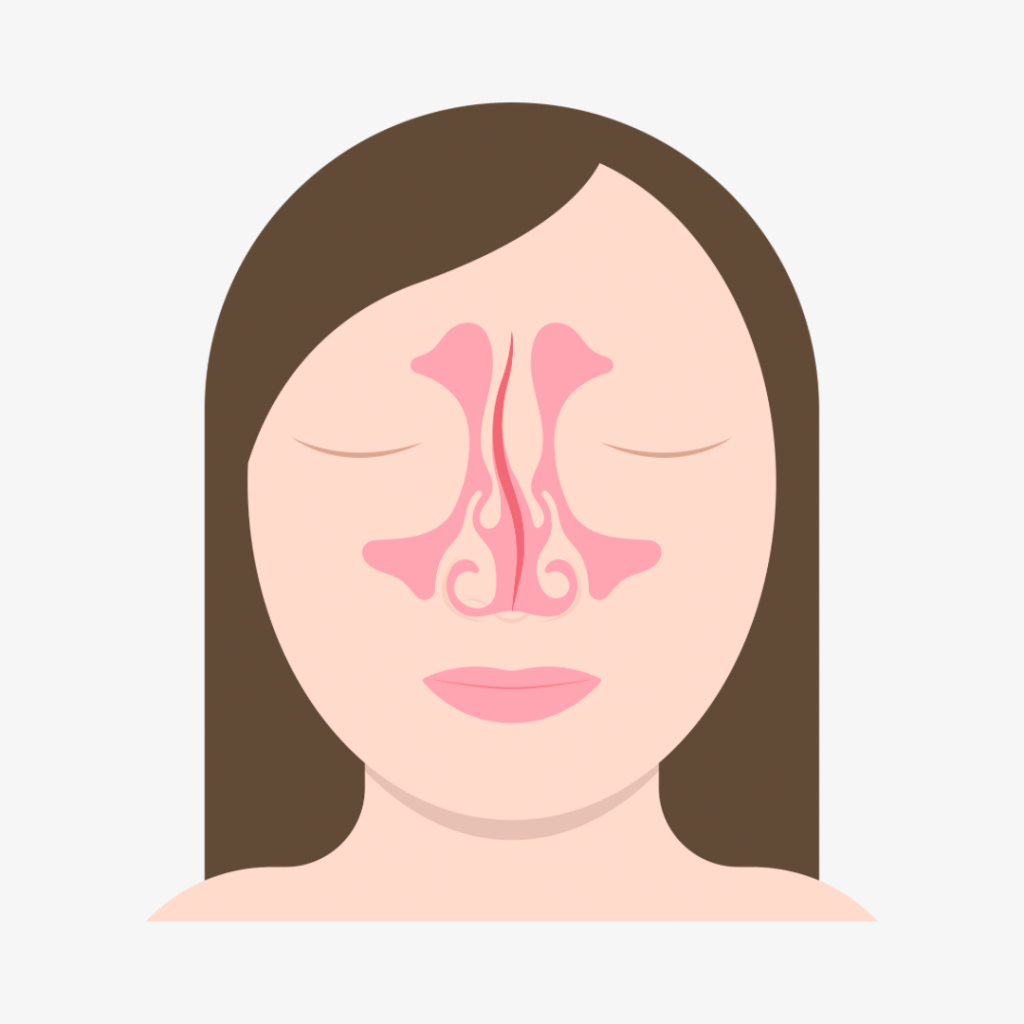
The nose is a complex organ responsible for both olfaction (smell) and respiration (breathing). Its primary components include the nasal cavity, sinuses, and olfactory receptors.
- Nasal Cavity: Air enters the body through the nostrils, passes through the nasal cavity, and gets filtered, warmed, and moistened before reaching the lungs. The nasal mucosa also contains blood vessels and mucus-producing cells that help trap particles and pathogens.
- Sinuses: These hollow cavities around the nose help humidify and filter inhaled air and lighten the skull. However, they can become inflamed or infected, causing sinusitis.
- Olfactory Receptors: Specialized cells in the nasal cavity detect odor molecules, sending signals to the brain for interpretation.
The Throat
The throat, or pharynx, acts as a common pathway for both air and food. It consists of three parts: the nasopharynx, oropharynx, and laryngopharynx.
- Nasopharynx: Located behind the nasal cavity, it serves as an air passageway and houses the adenoids, which play a role in the immune system.
- Oropharynx: Positioned behind the mouth, it serves as the passage for both air and food and contains the tonsils, which also aid in immune function.
- Laryngopharynx: Connecting the oropharynx to the esophagus, this section ensures the separation of air and food pathways. It also houses the vocal cords within the larynx or voice box.

Collaboration and Interdependence
The ear, nose, and throat aren’t standalone systems but are intricately connected. For instance:
- The Eustachian tube, connecting the middle ear to the nasopharynx, helps equalize pressure and drain fluid from the ears.
- Conditions like allergies or infections can affect all three areas, leading to issues like ear infections, sinusitis, or throat discomfort.
Understanding the interplay among the ear, nose, and throat underscores the importance of holistic care. Any disruptions or disorders within this interconnected network can have cascading effects on our health and sensory perceptions.
In conclusion, the ear, nose, and throat form a cohesive unit vital for our ability to perceive sound, smell, breathe, and even speak. Appreciating their collective function aids in comprehending how these systems work in tandem to maintain our well-being.
Remember, while this overview provides insight into their basic functions, any concerns or persistent issues with the ear, nose, or throat warrant professional medical evaluation for proper diagnosis and treatment.
 Dr. Preethi Umamaheswaran MS DNB (ENT)