
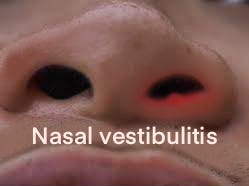
Introduction: Nasal vestibulitis is a relatively common condition that affects the nasal vestibule, the area just inside the nostrils. It is characterized by inflammation and infection of the nasal hair follicles and the surrounding skin. In this blog post, we will delve into the causes, symptoms, and available treatment options for nasal vestibulitis, helping you better understand and manage this condition.
- What Causes Nasal Vestibulitis?
- Bacterial infection: The most common cause of nasal vestibulitis is a bacterial infection, often due to Staphylococcus aureus.
- Nose picking or trauma: Scratching or injuring the nasal vestibule can create an entry point for bacteria, leading to infection.
- Excessive nose blowing: Frequent or forceful nose blowing can irritate and damage the delicate nasal tissue, increasing the risk of infection.
- Dry or cold environments: Low humidity or exposure to cold air can cause dryness and cracking of the nasal skin, making it more susceptible to infection.
- Immune suppressed states such as (uncontrolled) diabetes or pregnancy.
- Recognizing the Symptoms:
- Redness and swelling: The affected area may appear red, swollen, and tender.
- Pain or discomfort: Nasal vestibulitis can cause pain, tenderness, and a general feeling of discomfort in the affected area.
- Crusting and bleeding: The nasal vestibule may develop crusts, and slight bleeding may occur.
- Itching and burning: Some individuals may experience itching and a burning sensation in the affected area.
- Treatment Options:
- Antibiotics: Depending on the severity and extent of the infection, your ENT specialist may prescribe topical or oral antibiotics to eliminate the bacterial infection.
- Warm compresses: Applying warm compresses to the affected area can help soothe discomfort and promote healing.
- Nasal saline rinses: Regular use of saline rinses can help keep the nasal passages clean and alleviate symptoms.
- Avoiding irritants: It is important to avoid further irritation to the nasal vestibule, such as excessive nose blowing, picking, or exposure to harsh chemicals.
- Prevention: Maintaining good nasal hygiene, such as gently cleaning the nostrils and avoiding dry environments, can help prevent future episodes.
- When to Seek Medical Attention:
- If symptoms persist or worsen despite home care measures.
- If you develop a fever or experience systemic symptoms such as fatigue or body aches.
- If there is a spreading rash or signs of cellulitis (infection of deeper layers of skin).
- If you are a diabetic, seek attention immediately since you will need special care
Conclusion: Nasal vestibulitis can be a bothersome condition, but with proper understanding and timely treatment, it can be effectively managed. If you suspect you have nasal vestibulitis or experience persistent nasal symptoms, it is recommended to consult an ENT specialist. They can provide a comprehensive evaluation and guide you through appropriate treatment options to help you find relief and restore nasal health. Remember, early intervention is key to preventing complications and promoting a speedy recovery.

 Dr. Preethi Umamaheswaran MS DNB (ENT)